
Interview with Model Maker on the Early Days of Vacuum Forming.
Recently Formech learned about a fascinating pioneer in the field of vacuum forming. After speaking with him directly we knew his was a story we wanted to tell. Please read on for an inspiring lesson in self determination and a look back at the early days of vacuum forming.
The most remarkable thing about model maker Willard Rowling is the way he brilliantly describes everything he has seen even though he has been blind the last 25 years. At 98 years of age, he still has the zest and fervor of a young man as he recounts his days at Cadillac, Ford and Chrysler, among others. Rowling talks about his work experience as though it were yesterday, detailing with precision how he used his unstoppable work ethic to turn out model after model using vacuum forming in its earliest stages.
Rowling worked at a number of large corporations in the early days of vacuum forming and liked it because of the speed of making things. He could create things with vacuum forming sometimes in five minutes instead of a couple of hours. Quick prototypes were possible with vacuum forming. As Rowling describes it, “I believe I saved these companies a lot of money with vacuum forming.”
In those days, some parts were formed in plastic with a 1/16” maximum thickness but mostly with a 1/32” thickness and frequently painted specified colors with lacquer paint. Rowling usually used wood forms for molds but for finely detailed models and prototypes he could create metal molds for vacuum forming.
Early in his model making career Rowling answered an ad in Michigan from Jam Handy Corp., and in 1947 was hired in the model shop by William “Bill” Chaffee (father of APMM Member Hal Chaffee). The model shop made specialized motion picture camera equipment and special mechanisms needed for industrial films such as training a pilot to shoot down an enemy plane. GM was one of their largest clients. Rowling worked at Jam Handy for about a year and then went out on his own. In 1951 and 1952 Rowling worked at Cadillac where he was a model maker.
From 1952-1954 Rowling worked at Ford which actually owned vacuum forming equipment. They had a large walk in oven that could form a part up to the size of a car roof. For the first time he was using vacuum forming to make prototypes. As the Model Supervisor he was forming 3/8th of full size body panels to check joint fits.
In 1954 Rowling took a new job as Manager of Plastic Prototypes at Packard Motor in Detroit. He stayed there until 1956. Primarily they used vacuum forming there to check very precise engineering models of car body parts to vision how well they fit together before starting production. They also made Studebaker engineering pieces to check out the parts for stress.
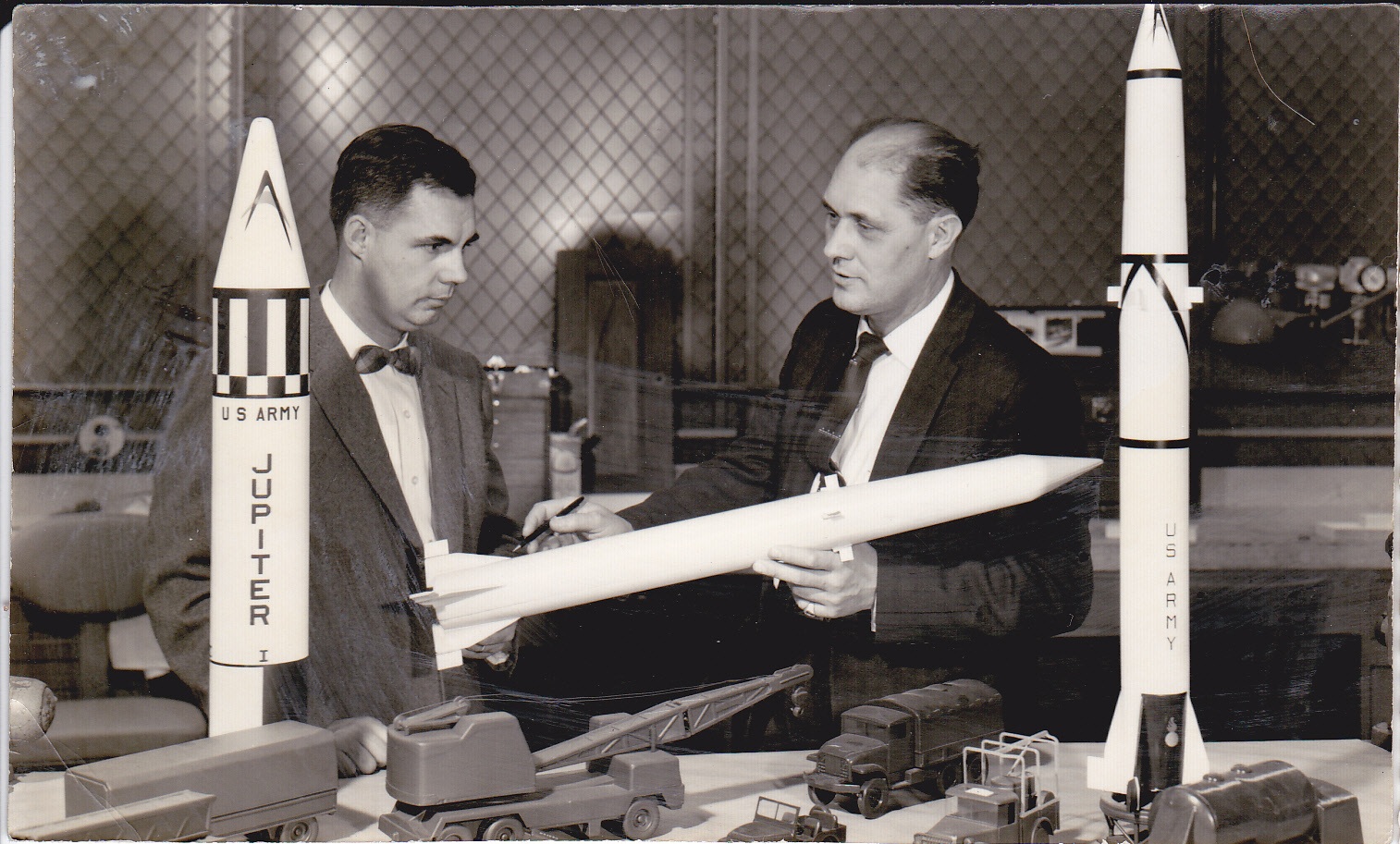
Following his time at Packard, Rowling worked for Chrysler Missile from 1956-1962 where he was the General Foreman. The corporation made missile prototypes and had 12,000 employees. During his time at Chrysler Missile an oven was purposely made for Rowling, fully outfitted with vacuum forming equipment.
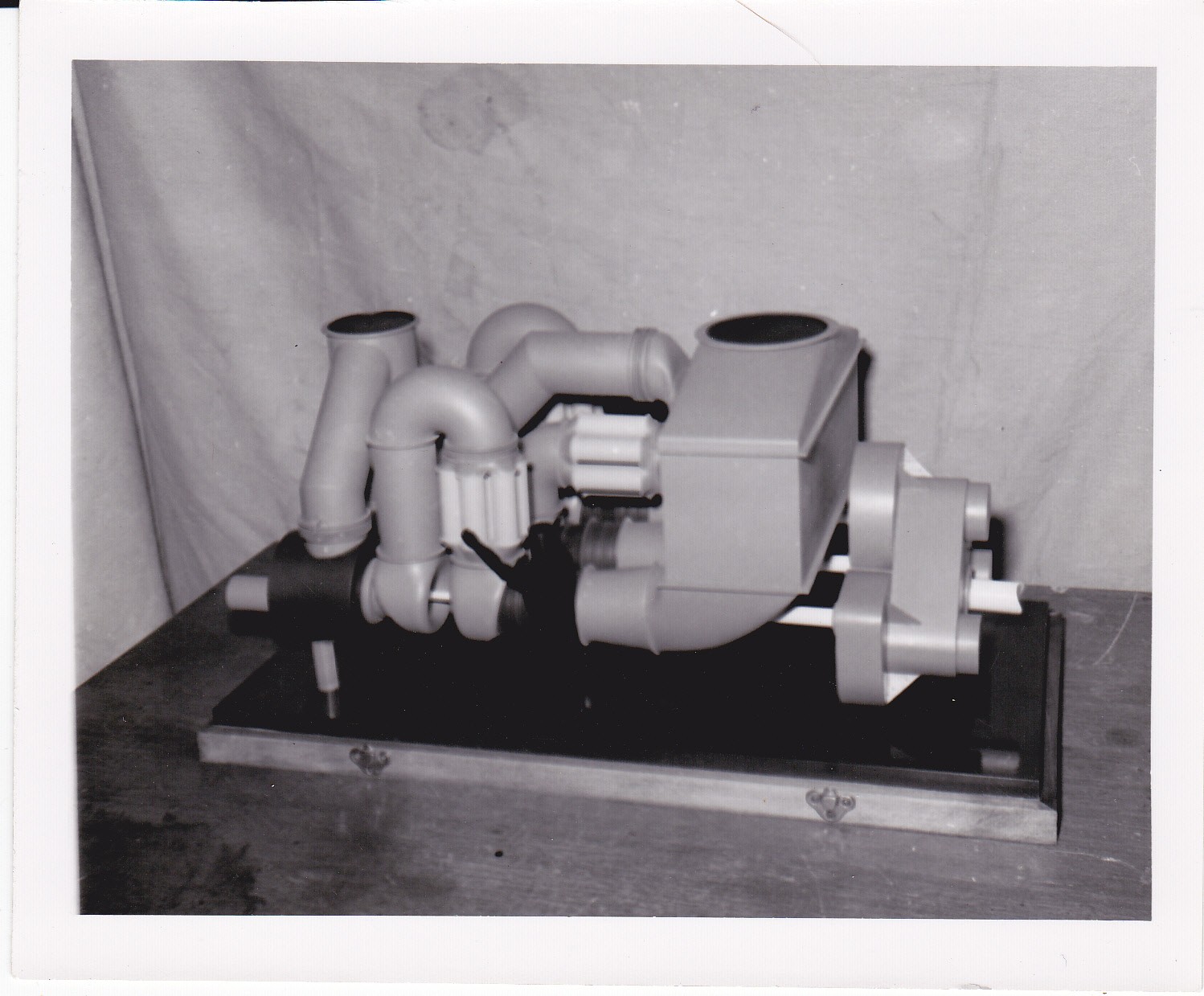
Most of the vacuum forming was done at a maximum size of 2’ X 2’ X 2’ or less although they could expand up to 4’ X 8’ X 2’ parts. A lot of the parts were at a 1:10 scale and were in appearance similar to toys. Here Rowling got the prints in the morning and was usually able to send the parts out by the end of the day. When he was thinking up ideas sometimes he would just make a mold and create a vacuum part in 24 hours or less.
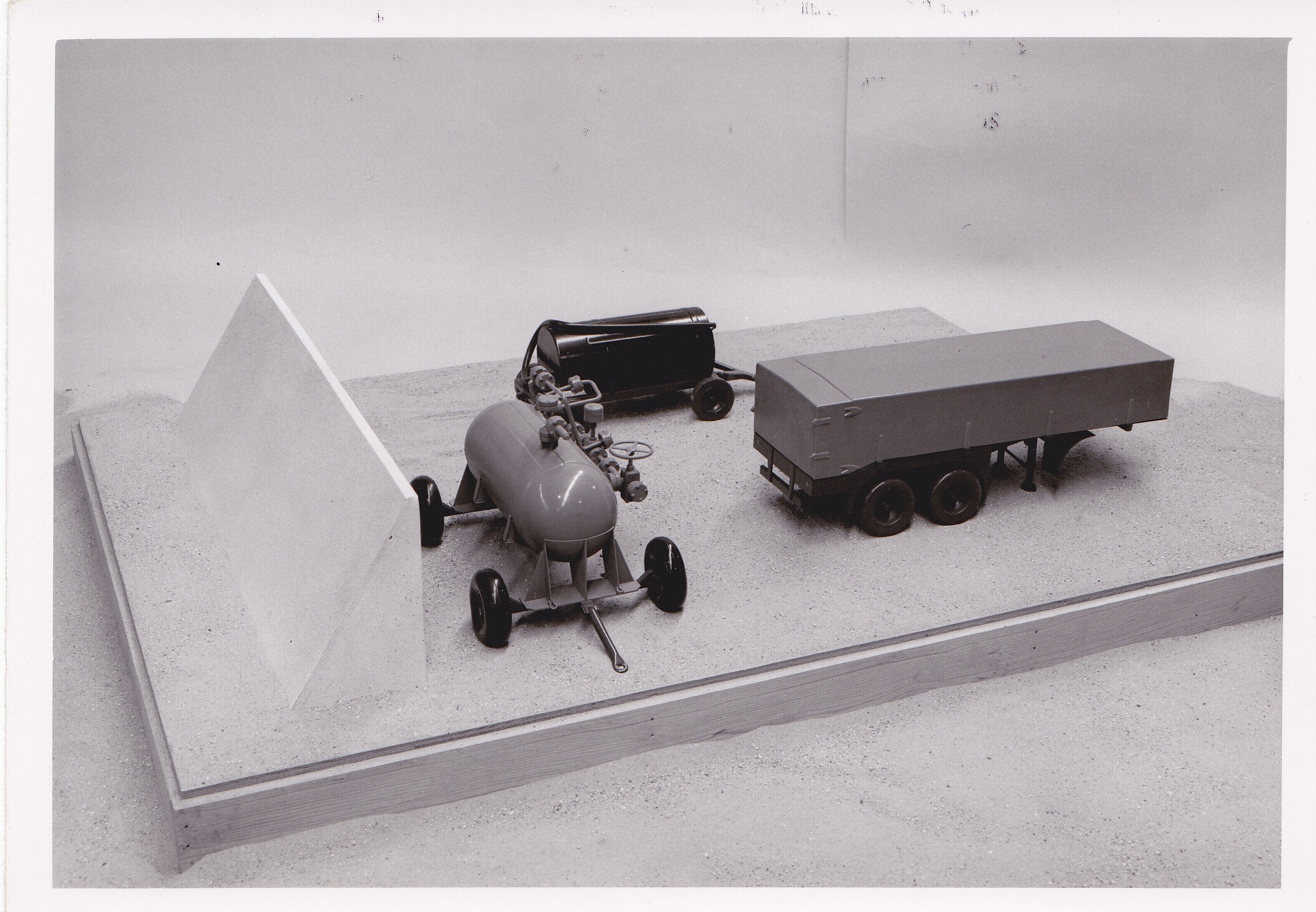
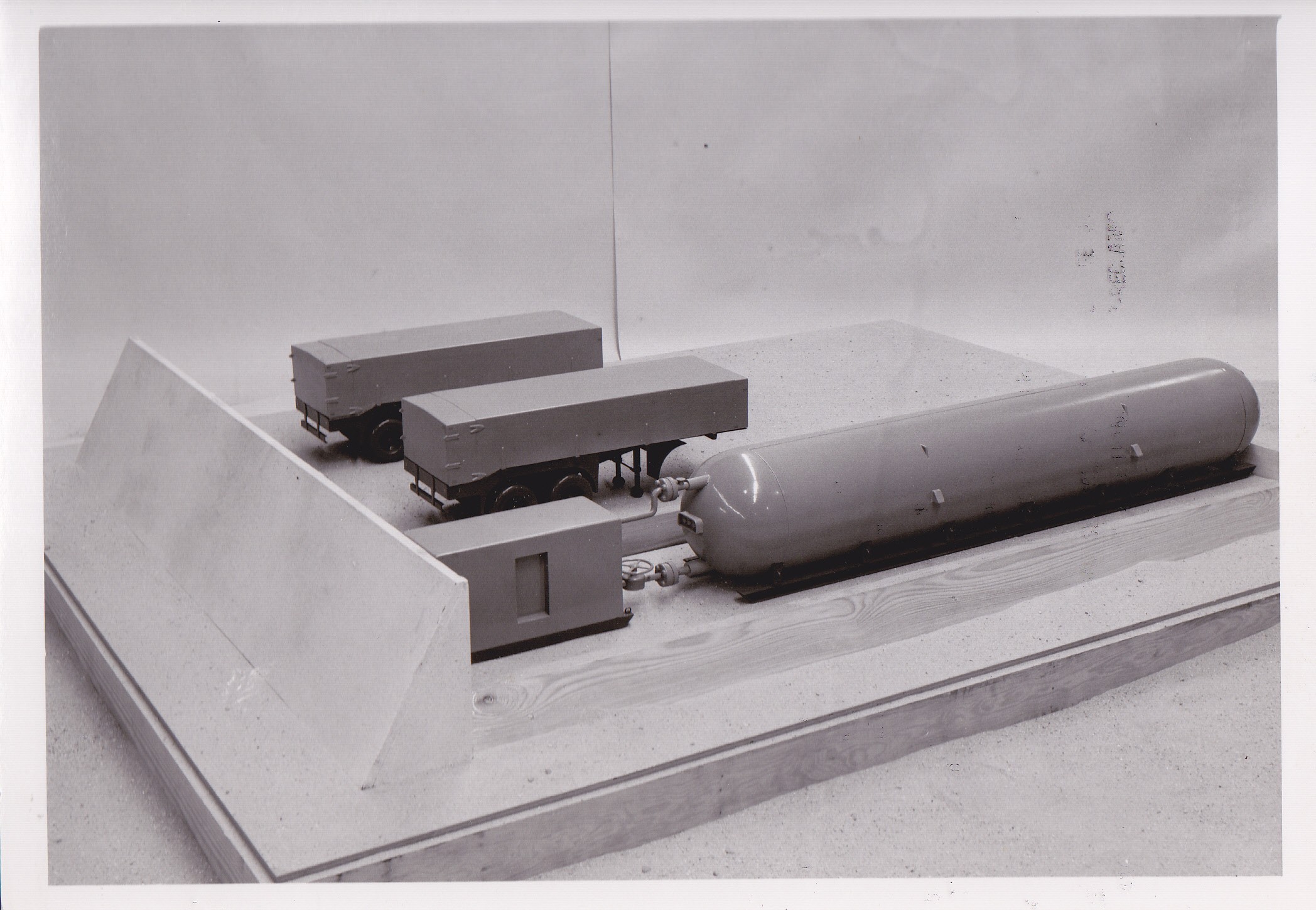
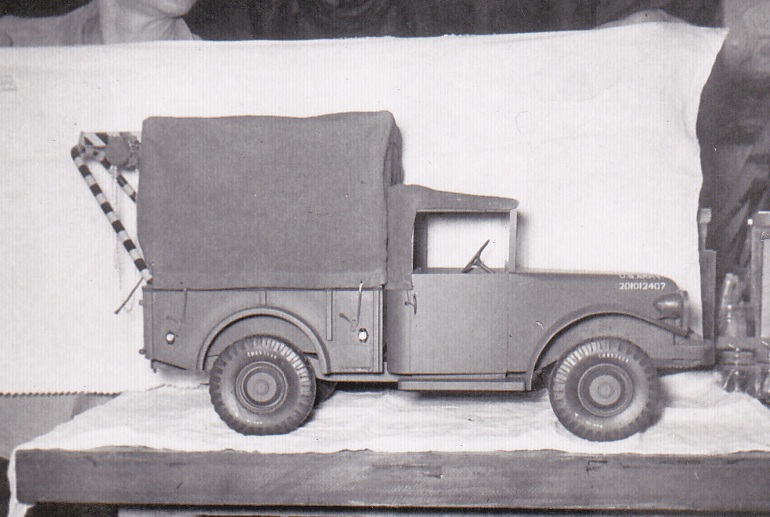
At Chrysler, Rowling had 30 men working for him around the clock. They made a lot of models of missile sites using vacuum forming to make truck models, jeeps, missile pad models and equipment at the sites. In one month they made 200 different models using vacuum forming. This included 6-8 truck models, various instruments, signs, fixtures, missile platforms, etc.
According to Rowling, some of the details had to be eliminated (or added later) so they could be vacuum formed. Production was usually a low volume for each part—normally less than 10. Rowling recounted how once they also built a five foot high missile out of fiberglass.
Rowling was hired again by William “Bill” Chaffee to work at Model Builders, Inc. in Chicago from November 1962 to August, 1963. It was during this time that Hal Chaffee got to know Willard.
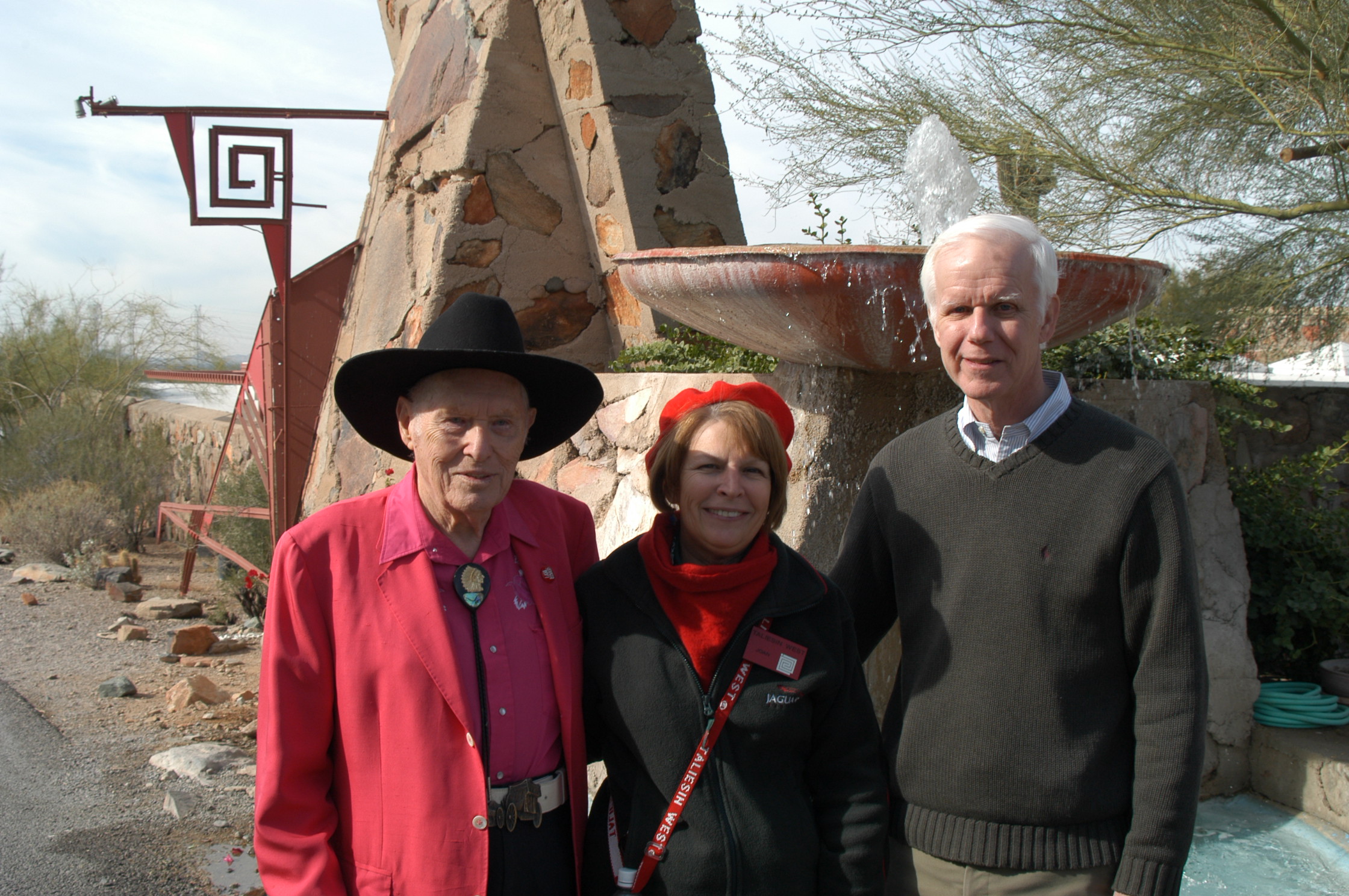
Throughout his career Rowling always got the tough jobs and with his indomitable spirit, he never turned one down. That would be quite a tribute to any model maker, but in Rowling’s own words, he was “a rare bird”. In 1976 he retired to Phoenix, AZ and moved recently to Prescott, AZ, where his son Lauren and grandson Adam live.
Still active and an avid square dancer at 98 years—though he recently slowed down to only three days a week instead of five—Rowling maintains his optimism despite losing his eyesight after retirement. As he so eloquently states, “Every day is a great day, but some are better than others.”